



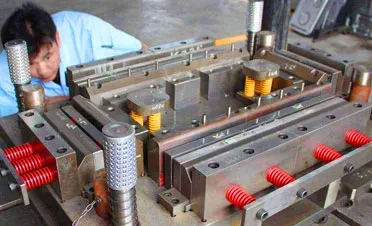

what is sand casting in engineering
what is sand casting in engineering
What is Sand Casting in Engineering? Sand casting is one of the oldest and most versatile manufacturing processes used in engineering for producing metal parts and components. This method involves using sand as the primary material to create molds that shape molten metal into desired forms. Sand casting is favored for its simplicity, cost-effectiveness, and ability to produce intricate shapes, making it an essential process in various industries such as automotive, aerospace, and construction. The Sand Casting Process The sand casting procedure typically involves several key steps pattern making, mold preparation, pouring, and finishing. 1. Pattern Making The first step in sand casting is creating a pattern, which is a replica of the object that is to be cast. Patterns are usually made from materials such as wood, metal, or plastic. The design of the pattern must account for factors such as shrinkage of the metal as it cools and the need for draft angles to facilitate pattern removal. 2. Mold Preparation Once the pattern is ready, it is used to form a mold. This involves packing sand around the pattern to create a cavity that matches the shape of the part. The most common type of sand used for this process is natural sand mixed with a binding agent like clay and water. The mold can be made in two halves, referred to as the cope (top half) and drag (bottom half). After the pattern is removed, the two halves are assembled. 3. Pouring After the mold is prepared and assembled, it is preheated if necessary. Molten metal, which can be aluminum, brass, iron, or other alloys, is poured into the cavity of the mold. The metal fills the space, taking the shape of the mold. Proper pouring techniques are crucial to avoid defects such as air pockets or uneven surfaces. 4. Cooling and Solidification Once the metal is poured, it needs time to cool and solidify. Cooling rates can affect the mechanical properties of the resultant casting, influencing its strength and durability. After sufficient cooling, the mold is broken apart to reveal the profiled casting. 5. Finishing Processes The final step involves cleaning the casting and performing any necessary finishing operations. This might include sandblasting to remove sand residue, machining to achieve precise dimensions, or applying surface treatments for enhanced properties. Advantages of Sand Casting what is sand casting in engineering Sand casting offers several advantages that make it a preferred method in many applications - Cost-Effective The materials used in sand casting, particularly sand, are inexpensive and readily available, making the process cost-effective, especially for small production runs. - Versatility Sand casting can accommodate a wide variety of metal alloys and can be used to produce both small and large components. - Complex Shapes This method is particularly effective at creating complex geometries which may be challenging to achieve with other manufacturing processes. Features such as intricate designs and hollows can be easily incorporated. - Large Production Volumes Sand casting is scalable, suitable for both small-scale projects, such as prototypes, and large-scale production. Limitations Despite its many advantages, sand casting does have drawbacks. The surface finish and dimensional accuracy of sand-cast parts may not always meet high specifications, requiring additional machining. Moreover, the process may be slower compared to more modern casting techniques, such as die casting, especially for high-volume production runs. Conclusion In conclusion, sand casting remains a fundamental technique in engineering, characterized by its simplicity and versatility. Its ability to produce complex shapes at a low cost makes it indispensable in various industrial applications. Understanding the sand casting process is crucial for engineers and designers alike, as it allows for the creation of components that are vital to the operation of machines and structures across numerous fields. As technology advances and new materials emerge, sand casting will likely continue to evolve, maintaining its place as a reliable method for producing quality metal parts in engineering.
-
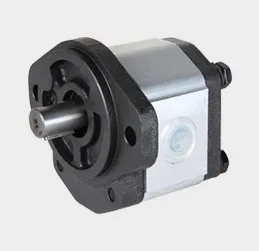 2026-06-15 16:21Wholesale OEM Auto Parts: A Smart Choice for Auto Parts SuppliersIn the fast-paced world of the automotive industry, ensuring that high-quality components are available for vehicle repairs and upgrades is essential for both consumers and businesses. This is where wholesale OEM auto parts come into play. For auto repair shops, car manufacturers, and online retailers, sourcing wholesale OEM auto parts provides a reliable way to offer top-quality parts at competit
 -
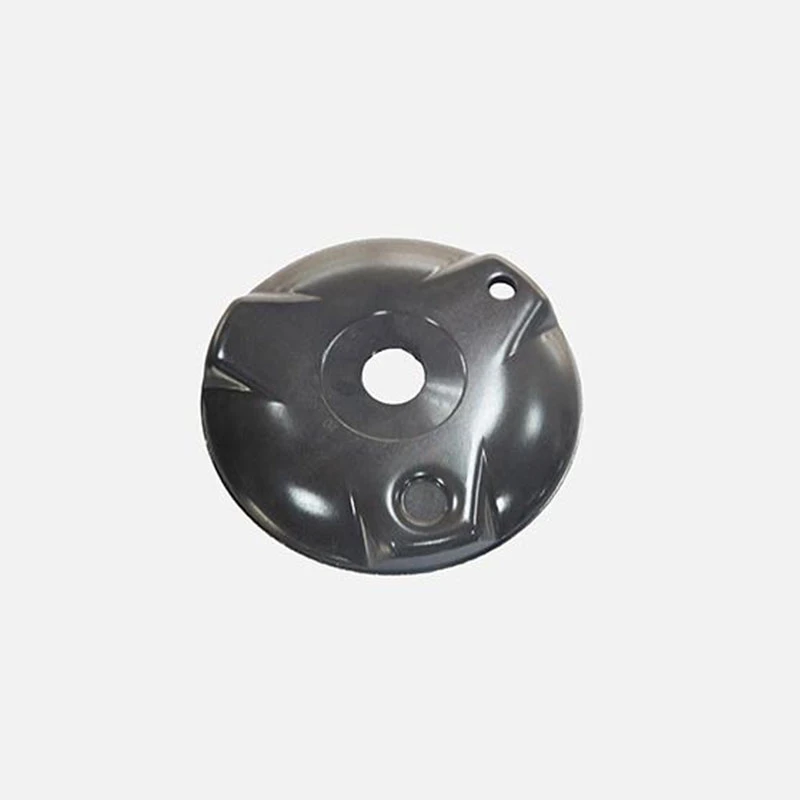 2026-06-15 16:17Precision Machining & Manufacturing: High-Quality Components1. The Core of Modern Manufacturing: Precision Machining and Manufacturing In the intricate landscape of B2B industrial production, the demand for components with exacting tolerances and superior material integrity has never been higher. At the forefront of this evolution is precision machining and manufacturing , a discipline that combines advanced engineering principles with state-of-the-art tec
 -
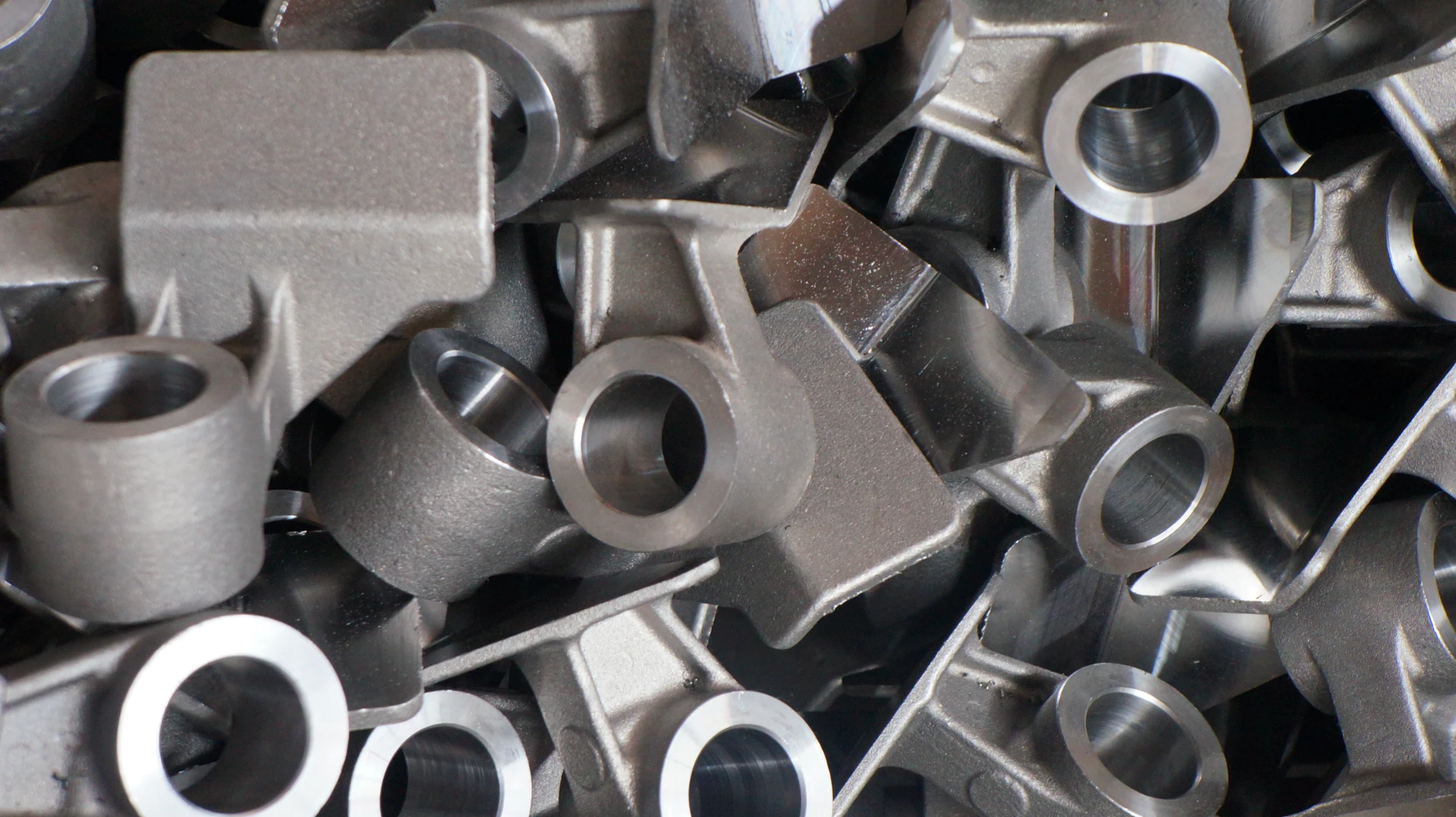 2026-06-15 15:57Techniques for Forming and Shaping Sheet Metal ComponentsHow to Stamp Sheet Metal Parts A Comprehensive Guide Stamping sheet metal parts is a critical process in various manufacturing industries, from automotive to aerospace. This technique involves using a die to shape and cut metal sheets into desired forms, offering precision, consistency, and efficiency. In this article, we'll explore the fundamental steps and considerations involved in stamping she
 -
 2026-06-15 15:12zinc high pressure die castingHigh Pressure Die Casting of Zinc An Overview High pressure die casting (HPDC) of zinc is a prominent manufacturing technique used to create complex, high-precision components in various industries, including automotive, electronics, and consumer goods. Zinc alloys, particularly zinc-aluminum and zinc-copper combinations, are widely favored due to their excellent mechanical properties, corrosion r
 -
 2026-06-15 14:10precision solenoidIn the intricate world of electromechanical devices, precision solenoids have gradually become indispensable components that cater to both sophisticated industrial applications and consumer electronics. A precision solenoid functions as a high-performance actuator designed to offer unparalleled control in a compact form. These devices transcend traditional solenoid designs by integrating precise e